
The "Two Worlds" Outlining Method
how intentional worldbuilding can generate conflict + satisfying character arcs

During these next few weeks, I’m taking you on a behind-the-scenes tour of five unique outlining methods that I’ll be teaching weekly, starting February 25.
I believe that outlining can be a helpful practice for understanding story, organizing a writing plan, and staying inspired while drafting. Up next: The Two Worlds method!
The Two Worlds
Why I created it:
I was primarily inspired by my studies of the Hero’s Journey and the Heroine’s Journey. I did record an entire course on the structure and symbolism in these mythic patterns, but I wanted to streamline the application of their central ideas. Also, my main concern with inventing rinse-and-repeat outline formats is that they are accessible, usable, and re-usable. I decided to translate the mythic structure into something that could be easily adapted to writers who are crafting brand new stories, and don’t want to feel too constrained by the 17 stages of the original journey!
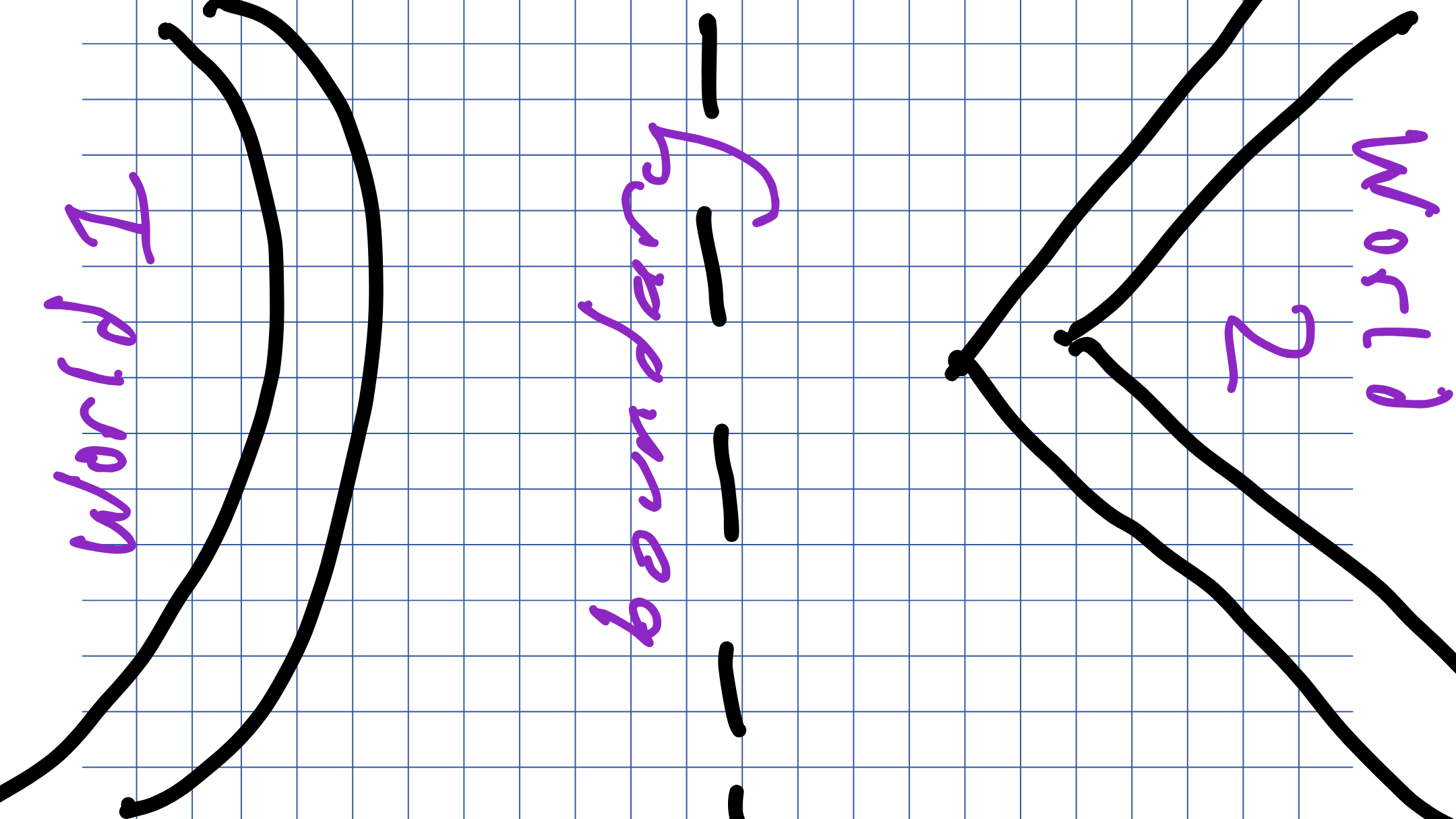
I found myself using specific diagrams to teach writers about the relationship between world, backstory, motivation, and character arcs. Filling in this more visual outline style will help to organize overwhelming or epic stories!
Who it’s for:
The Two Worlds method is going to be extremely helpful for fantasy writers, or anyone who is building a world. However, I’ve also found that it really adds complexity, drama, and character depth when it’s applied to contemporary settings as well.
(in fact, when I teach this method, I often bring up High School Musical as a perfect example!)
This is also going to be one of the best methods for anyone writing a multi-POV book. This outline format accounts for multiple characters who are spread across different geographical and ideological spaces. The best reward of filling in your Two Worlds outline is that you will be left with a detailed understanding of the multiple facets of your characters, and how they relate to the familiar & unknown places they will travel through in your book.
What you’ll need:
The Two Worlds is a very visual outlining method, that will most benefit you if you’re ready to do a bit of diagramming!
In class, we’ll fill in:
the rules of the worlds, with a focus on identifying their naturally opposing natures
the forces that directly relate to and influence our main characters
the boundaries that maintain the separation of the worlds, and most importantly — the enforcers and sentries that play a major role
the backstories and future goals of each character, mapped across the worlds
the journey of characters between and beyond the worlds
How to use it:
The Two Worlds method is going to set you up for success if you want to draft a longer, more complex, and richly detailed story. It allows you to have grounded worldbuilding while staying focused on the development of your characters.
When you have a solid Two Worlds diagram to reference, you have given yourself a map of many places to explore in the book.
While drafting, you are now free to test limits, go to new places, and go deeper into known worlds. The whole time, you’ll have a strong understanding of how your characters’ inner contradictions and struggles connect to and are responsive to the world around them.
Basically, it’s the best of both worlds.
I hope you join us for more details + examples + templates to fill in the worlds of your story in OUTLINES class!